🔋 Why does the power system need energy storage?
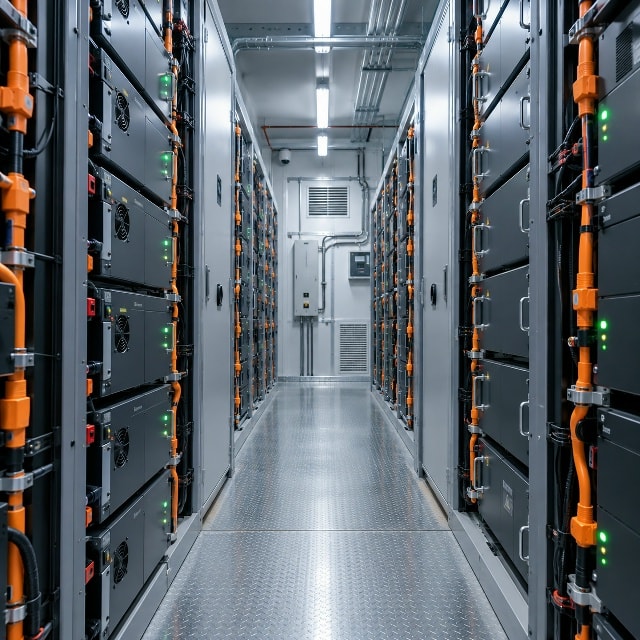
A power system must maintain a balance between electricity generation and consumption every second. Yet demand is constantly changing: in the morning and evening, during heat waves and cold spells, and when large numbers of electric vehicles are charging.
⚡ Energy storage systems help smooth these fluctuations. When sufficient energy is available in the system, they store it. When demand rises, they can quickly supply power back to the grid.
🤖 For AI specialists, another question is particularly compelling: when should a storage system be charged, and when should it deliver energy? Increasingly, data, forecasting, and algorithms are used to find the answer. Models analyze load profiles, weather conditions, renewable energy generation, and the state of the grid to help determine the optimal operating mode for a storage system.
📊 The more accurate the forecast, the more effectively an energy storage system can be used: to reduce peak loads, minimize losses, and support power system stability.
💡 A modern energy storage system is therefore no longer simply a “large battery.” It is part of an intelligent power system in which equipment, data, and algorithms work together. Some of today’s most compelling engineering challenges are emerging at the intersection of energy, data analytics, and AI.